
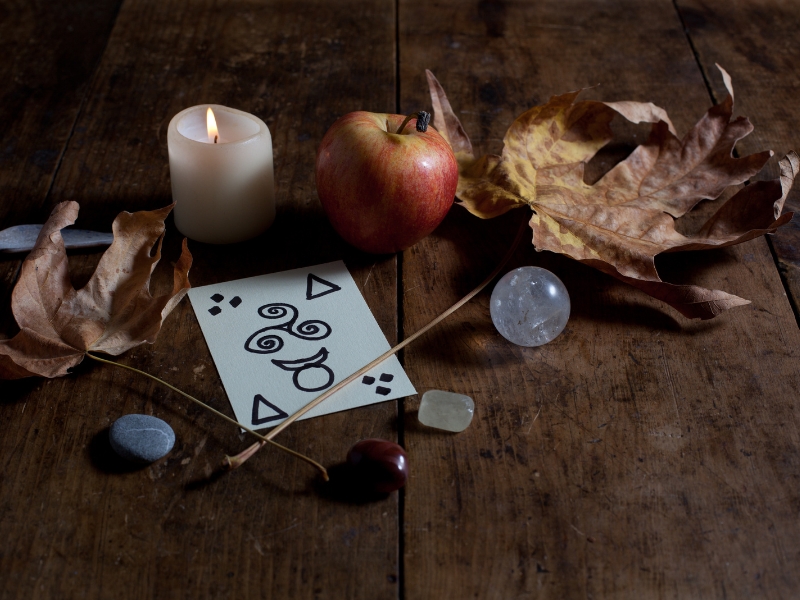
The descent of September signifies the graceful movement of the wheel from the vibrant days of summer into the comforting embrace of autumn, an epoch our ancient pagan forebears acknowledged as Mabon. Although centuries have elapsed since these early celebrations, contemporary pagans and druids keep this spiritual milestone alive with various traditions, from rituals to community gatherings. As we create a welcoming space in our lives for Mabon this year, let us use these tranquil moments to reflect on the past, ponder our future directions as individuals and as a community, and explore ways to integrate the themes of this season into our daily existence, infusing it with a sense of balance and gratitude.
What is Mabon?
Mabon, or the Autumn Equinox, is one of the eight Pagan festivals marked in the Wheel of the Year. Druids refer to this day as Alban Elfed. Celebrated around September 21st, it symbolizes the time of balance, where day and night are of equal length. Traditionally linked to the second harvest and preparations for winter, it provides a moment to appreciate nature’s gifts and to find balance within ourselves. As modern Pagans, observing Mabon is not merely an act of mirroring old customs; it is an opportunity to express gratitude for life’s blessings and engage in introspective reflection, echoing the seasonal themes of balance, preparation, and gratitude. Celebrations often include personal and communal rituals, preparing harvest-based meals, and adorning altars with autumnal symbols.
Experiencing the Autumnal Shift During Mabon
At Mabon, nature stages a stunning spectacle for us to enjoy. Our surroundings transform as summer surrenders to autumn, setting a rich stage for our celebrations. The leaves on the trees start their dance, changing from vibrant greens into a symphony of red, orange, and gold. Fields of corn and wheat, once a sea of green, turn into a canvas painted with rich golden hues, ready for harvesting. The sun casts long shadows, giving the landscape a mystical air and cool breezes whisper tales of the coming winter. This transition serves as a potent backdrop for Mabon, an inspiring visual demonstration of the Earth’s bounty and the cyclical rhythm of the seasons.
Finding Balance with the Earth Through Ritual
Cultivating rituals that resonate with your inner self is important to celebrate Mabon. These practices serve as symbolic gestures and pathways to deepen your connection with the Earth and its cycles. Rituals could include tranquil solitary walks in the forest, noticing the changing colors, and thanking the Earth for its bounty. Create an autumn-themed altar adorned with seasonal gifts like apples, pumpkins, and dried leaves, symbolizing the season’s abundance and balance. Group rituals, such as shared meals with the season’s produce, provide a communal way to honor the season, creating a sense of unity and mutual appreciation. These rituals enhance our spiritual bond with the Earth and remind us of our reciprocal relationship with our natural surroundings.
Cultivating Gratitude for Nature’s Generosity
Celebrating Mabon, we practice gratitude and appreciation for nature’s generosity. This moment is not solely about the physical harvest but also reflects the spiritual and emotional gifts we have received. You might express gratitude for the support of your community, the wisdom gained from experiences, or the peace found in moments of quiet reflection. Acknowledging these blessings consciously, you cultivate a deep sense of satisfaction, creating a positive energy that ingrains every facet of your existence. This practice of gratitude, twinned with the tangible abundance of the harvest, underscores the profound link between our lives and the cycles of the Earth.
Creating Harmony with Rituals in Daily Life
Incorporating meaningful rituals into your daily life, especially those linked to Mabon, can strengthen your relationship with the natural world and its cycles. By acknowledging the Autumn Equinox, these rituals can serve as potent reminders of the Earth’s yearly cycles of birth, growth, and rest. They can instill a sense of awe for nature’s bounty while reminding us of the transitory nature of existence. Rituals such as preserving fruits for winter, creating altars, or simply taking a moment to appreciate the changing leaves can promote a sense of equilibrium and tranquility, aligning our internal rhythms with those of the world around us. While deeply rooted in ancient tradition, these practices remain pertinent in our modern lives, offering a moment of introspection, gratitude, and connection amidst the hustle and bustle of contemporary living.
A Renewed Sense of Balance and Gratitude at Mabon
Experiencing Mabon instills a renewed sense of balance and gratitude, a perspective shift that can enrich our lives. As we witness the Earth’s preparation for winter, we understand that every stage of life, whether growth, balance, or rest, holds its beauty and significance. This wisdom enables us to appreciate life’s rhythm with grace and resilience. The rituals and practices associated with Mabon also allow us to reflect on our personal growth and express gratitude for our accomplishments and blessings. This conscious acknowledgment can reinforce our self-worth and engender a serene outlook for the future. The clarity derived from this reflective process guides us in setting purposeful and achievable goals, sparking a flame of balance that lights our path.
Mabon, a time of balance and gratitude, prompts us to pause, appreciate its beauty, and express our thankfulness for nature’s gifts. Gaining this understanding, we are encouraged to reflect this balance in our actions. We can delve deeper into our spirituality by respecting, honoring, and connecting with the surrounding elements. Reflecting on this season, consider ways to honor and celebrate Mabon’s traditions. May you be blessed with peace and balance as you continue your journey – rich with new insights, deep connections, and meaningful celebrations.




Leave a Reply