

Type Sevens—the Enthusiasts—are the joyful wanderers of the Enneagram. Optimistic, curious, and filled with an irrepressible zest for life, Sevens always seek new experiences, ideas, and adventures. They bring light, reminding us that wonder is never far from reach. Yet beneath their buoyant spirit often lies a hidden restlessness—a fear of being trapped in pain or boredom—that keeps them constantly moving, sometimes unable to settle or savor the moment fully.
In Druidry, the sacred Wheel of the Year offers a rhythmic counterbalance to the Seven’s endless motion. This cycle of seasonal festivals honors the natural ebb and flow of life: the times of blossoming joy and exuberance, yes—but also the quiet descent into stillness, reflection, and rest. For Sevens, the Wheel invites a deeper kind of fulfillment—one that doesn’t rely on constant stimulation but arises from embracing the richness of every season of life.
The Type Seven’s Unquenchable Spark
A hunger for experience drives Sevens. They are idea generators, spontaneous travelers, lovers of play and possibility. Their minds leap like fire, lighting up with enthusiasm for whatever captures their imagination next. This energy is radiant, contagious, and life-giving, much like the burst of Beltane fires or the sun-drenched celebration of Litha.
Yet this lightness can come with a shadow. When Sevens fear discomfort or emotional pain, they may skip across life’s surface, avoiding the deeper waters. They may keep moving so quickly from one experience to the next that they miss the grounding of stillness or the wisdom in life’s quieter seasons.
The Wheel of the Year, with its built-in cycles of expansion and contraction, celebration and stillness, teaches that joy deepens when it is rooted in the full spectrum of experience, not just the highs but also the sacred pauses in between.
The Wheel of the Year: A Map of Wholeness
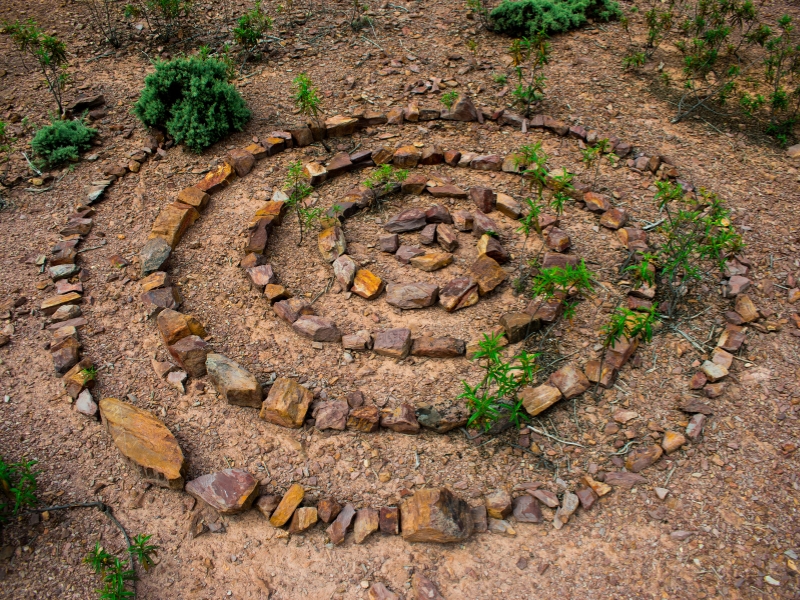
The Wheel of the Year consists of eight festivals that mark the turning points in nature’s rhythm—the solstices, the equinoxes, and the cross-quarter days in between. It is both a calendar and a spiritual journey, guiding us through birth, growth, harvest, death, and renewal cycles.
For Sevens, this wheel becomes an influential teacher. It mirrors their expansive energy in the bright festivals of spring and summer—Imbolc, Beltane, Litha, Lughnasadh—times of growth, laughter, passion, and movement. But it also beckons them inward during the autumnal and winter feasts—Mabon, Samhain, Yule, and even the contemplative pause of Imbolc again—reminding them that meaning can be found in stillness, in letting go, and in waiting.
Instead of running from one spark to the next, Sevens can learn to follow the Wheel’s spiral dance, letting each season unfold in its time. They begin to discover that adventure is not only found in external novelty but also in the rich textures of presence.
Joy That Is Rooted
When Sevens align themselves with the Wheel, they realize joy doesn’t need to be chased. It returns—like spring after winter, like the sun after the longest night. And just as each festival has its unique energy, each phase of life offers its own kind of beauty.
The festivals of joy and fire speak quickly to the Seven’s nature: Beltane’s passionate aliveness, Litha’s radiant abundance, Lughnasadh’s celebratory harvest. But there is also joy in Samhain’s sacred darkness, where the veil thins and quiet reflection reveals the mysteries. There is joy in Yule, in lighting a single candle in the long night. And there is joy in the slow reawakening of Imbolc, where hope stirs gently beneath the frost.
This kind of joy doesn’t burn out because it is cyclical, seasonal, and sustained.
Becoming a Bearer of Balanced Joy
When Sevens walk the Wheel of the Year with reverence, they evolve from pleasure seekers into wise celebrants of life. They no longer fear stillness, for they know that it, too, carries inspiration. Their joy deepens—not the fleeting spark of distraction, but the grounded flame of presence. They become bearers of balanced joy, able to light up a room not with frantic energy, but with the radiance of someone who has touched the fullness of life and come through it grateful.

 Joyful Aspen
Leave a comment